By Dovydas Kersys · Chapter 1 of 40 in Hydraulic Troubleshooting.
Before you begin: Hydraulic equipment can contain lethal stored energy. Only trained and authorized personnel should perform hydraulic work. Isolate energy, support loads, verify the pressure state, use pressure-rated instruments and follow site-specific lockout/tagout procedures. The diagrams are simplified training illustrations; use the actual machine schematic and manufacturer instructions.
Hydraulic systems can move enormous loads even when the electric motor is stopped. The first troubleshooting skill is therefore not reading a gauge; it is recognizing every source of stored or gravity-driven energy and making the machine safe before touching it.
In practice, the fastest diagnosis comes from deciding what the component is supposed to control and then measuring the variable on both sides of that component. Pressure tells you about load and restriction; flow tells you about speed; temperature tells you where power is being lost; leakage tells you whether clearances or seals are allowing oil to bypass the intended path.
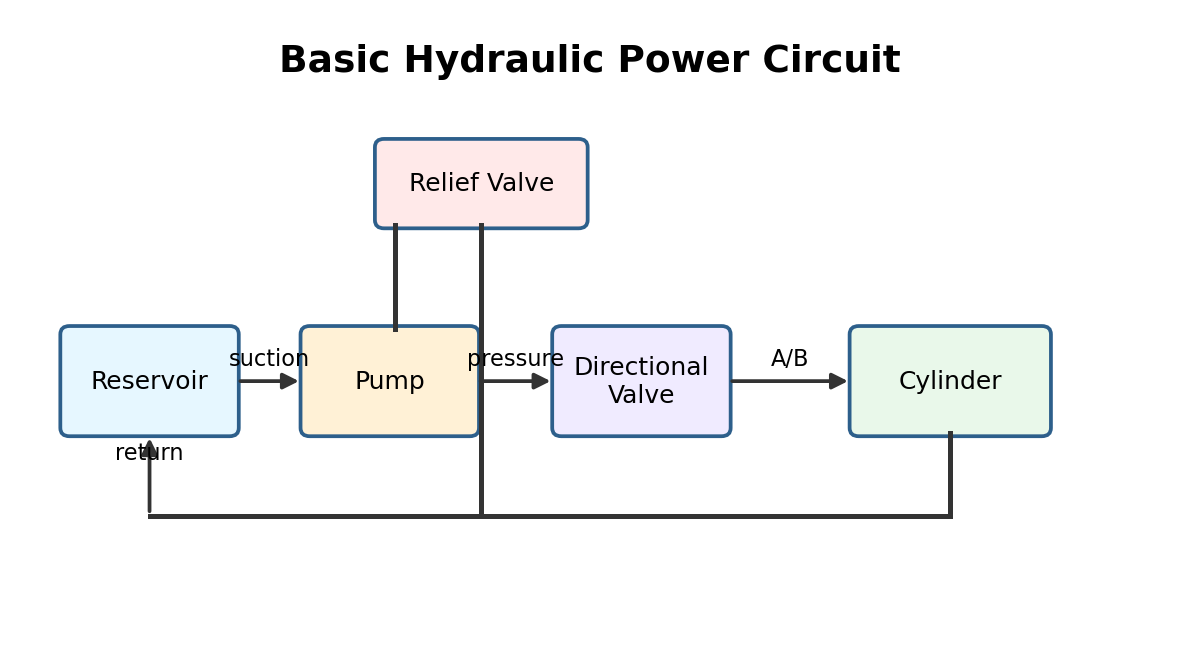
Figure 1. Simplified diagnostic view for 1. Hydraulic Safety and Stored Energy.
What the technician may observe
- unexpected actuator movement after shutdown
- trapped pressure at test points or hoses
- suspended or over-center loads
- hot oil and hot components
- high-pressure injection leak hazards
Diagnostic sequence
- Identify all energy sources, including accumulators and gravity. Compare the reading with a known-good baseline or the machine specification rather than relying on a generic value.
- Lower or mechanically support raised loads before loosening anything. Record the result before changing the next variable so the test actually narrows the fault.
- Cycle controls only when the approved procedure calls for it and after power isolation. Compare the reading with a known-good baseline or the machine specification rather than relying on a generic value.
- Verify zero or controlled residual pressure with a rated gauge at the correct test point. Record the result before changing the next variable so the test actually narrows the fault.
- Use cardboard or a commercial leak-detection aid rather than hands to search for pinhole leaks. Compare the reading with a known-good baseline or the machine specification rather than relying on a generic value.
- Treat any suspected fluid-injection injury as urgent medical care. Record the result before changing the next variable so the test actually narrows the fault.
How to interpret the measurements
Begin by asking whether the symptom affects the whole machine or only this function. If other functions sharing the same supply remain normal, a common pump or reservoir fault becomes less likely and the local valve, actuator, plumbing and mechanical load deserve more attention.
Next, compare pressure upstream and downstream while oil is actually flowing. A large pressure difference across a component means that component or passage is consuming hydraulic energy. If flow is low everywhere, investigate pump delivery, inlet conditions, speed and major internal leakage before blaming a local valve.
Finally, repeat the test at the condition that creates the complaint: hot oil, full load, a particular direction, low speed or rapid cycling. Hydraulic clearances, viscosity, pilot pressures and valve forces change with operating condition, so a static test may look normal while the production fault remains.
Corrective actions after the cause is proven
- Use machine-specific lockout/tagout procedures.
- Install rated blocking devices where gravity can move a load.
- Replace damaged guards and hose restraints before returning to service.
- Document any trapped-pressure locations for future technicians.
Common mistakes
- Adjusting the relief or compensator before recording the original setting and proving that the setting is wrong.
- Replacing a component because it is hot, even though the heat may be arriving from an upstream restriction or continuous bypass flow.
- Calling a problem “low pressure” when the actual complaint is low flow or excessive mechanical load.
- Testing only with cold oil when the production fault appears after the system reaches operating temperature.
Field rule: For 1. hydraulic safety and stored energy, do not replace a component until one measurement or isolation test shows how it fails to perform its intended function.
Symptom-to-next-test table
| Observed condition | First useful test |
|---|---|
| Unexpected actuator movement after shutdown | Measure the controlled variable before and after the suspected component. |
| Trapped pressure at test points or hoses | Measure pressure at pump and actuator under the actual load. |
| Suspended or over-center loads | Measure the controlled variable before and after the suspected component. |
| Hot oil and hot components | Measure temperature and pressure drop at the suspected heat source. |
Field practice
Before leaving the machine, write down three numbers that would let another technician judge whether the repair truly restored normal operation. Good choices are usually operating temperature, a pressure at a defined machine state, and either flow or cycle time. This creates the baseline that makes the next fault faster to diagnose.
Continue the series
- Next chapter: Hydraulic Pressure, Flow, Force and Speed
- Browse all Hydraulic Troubleshooting chapters
Adapted from Hydraulic Troubleshooting for Maintenance Technicians, by Dovydas Kersys. © 2026 Dovydas Kersys. Featured cover image is an AI-generated editorial illustration.