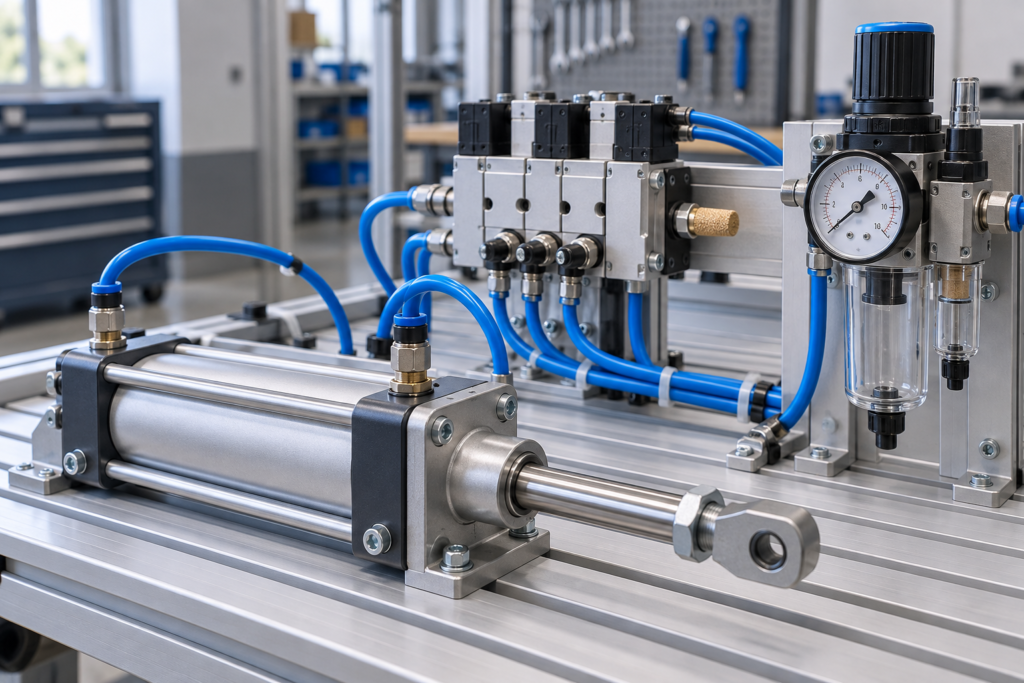
By Dovydas Kersys · Chapter 12 of 12 in Pneumatic Troubleshooting.
Before you begin: The diagrams are simplified teaching illustrations. Verify the actual machine schematic and component documentation. Isolate and control stored energy before intrusive work, and use the approved machine procedure for any energized measurements. Compressed air must not be the sole support for a load where unexpected movement could cause injury.
Daily Pneumatic Checks
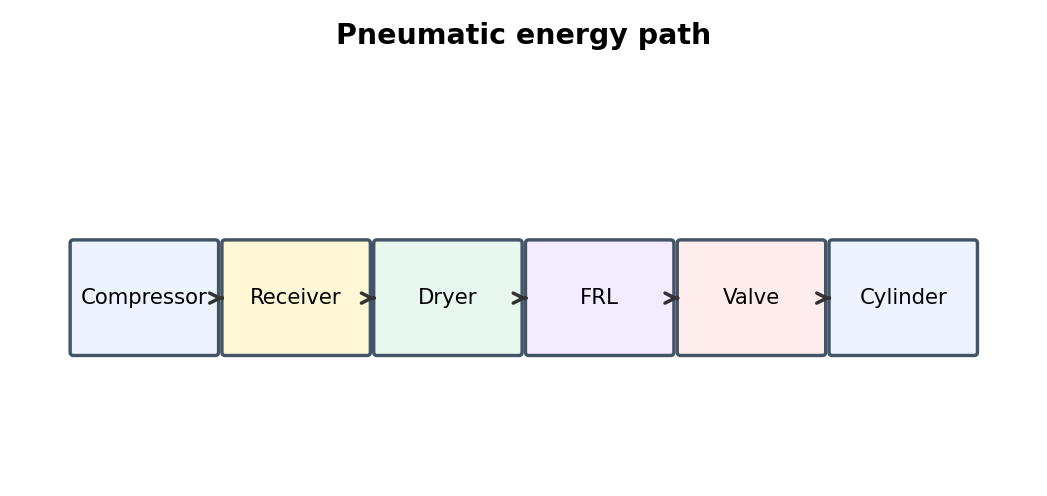
Short shift checks can catch new leaks, pressure changes, water in bowls, and abnormal cylinder impact before a breakdown. Preventive pneumatic maintenance works best when it preserves known-good settings, removes leaks and contamination, and records baseline pressures and cycle times.
What to check
- Inspect for leaks, damaged tubing, loose mounts, and contamination.
- Check dynamic pressure and critical cycle times.
- Preserve documented flow-control and regulator settings.
- Record recurring failure locations and component changes.
Diagnostic sequence
- Inspect with machine in a controlled state.
- Measure before adjusting.
- Repair defects using correct rated parts.
- Recommission slowly and verify safety functions.
- Update maintenance records.
Common mistakes
Adjusting every valve during PM. • Replacing by appearance instead of specification. • Recording only “part replaced.”
FIELD RULE: Preventive maintenance should create better baseline data, not new unknown settings.
Monthly Valve and Cylinder Inspection
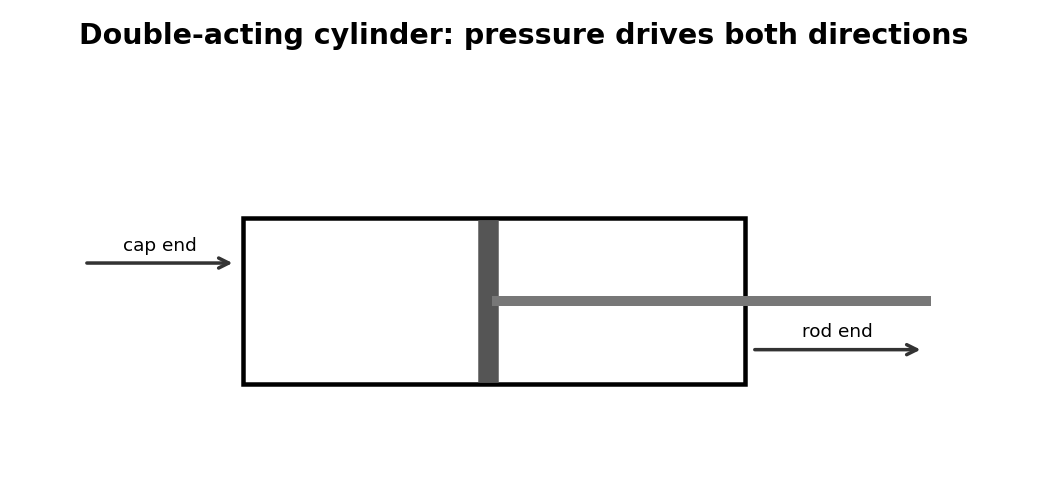
Periodic inspection should focus on leaks, mounts, sensor movement, tube abrasion, mufflers, and changes in speed or impact. Preventive pneumatic maintenance works best when it preserves known-good settings, removes leaks and contamination, and records baseline pressures and cycle times.
What to check
- Inspect for leaks, damaged tubing, loose mounts, and contamination.
- Check dynamic pressure and critical cycle times.
- Preserve documented flow-control and regulator settings.
- Record recurring failure locations and component changes.
Diagnostic sequence
- Inspect with machine in a controlled state.
- Measure before adjusting.
- Repair defects using correct rated parts.
- Recommission slowly and verify safety functions.
- Update maintenance records.
Common mistakes
Adjusting every valve during PM. • Replacing by appearance instead of specification. • Recording only “part replaced.”
FIELD RULE: Preventive maintenance should create better baseline data, not new unknown settings.
FRL Maintenance
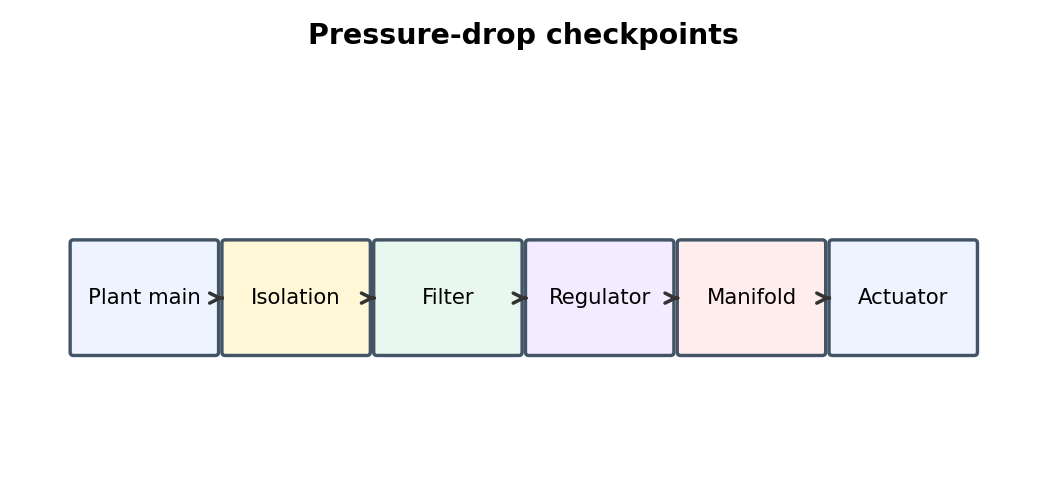
Filter, regulator, and lubricator maintenance should verify dynamic pressure and correct air quality after service. Preventive pneumatic maintenance works best when it preserves known-good settings, removes leaks and contamination, and records baseline pressures and cycle times.
What to check
- Inspect for leaks, damaged tubing, loose mounts, and contamination.
- Check dynamic pressure and critical cycle times.
- Preserve documented flow-control and regulator settings.
- Record recurring failure locations and component changes.
Diagnostic sequence
- Inspect with machine in a controlled state.
- Measure before adjusting.
- Repair defects using correct rated parts.
- Recommission slowly and verify safety functions.
- Update maintenance records.
Common mistakes
Adjusting every valve during PM. • Replacing by appearance instead of specification. • Recording only “part replaced.”
FIELD RULE: Preventive maintenance should create better baseline data, not new unknown settings.
Leak Audit
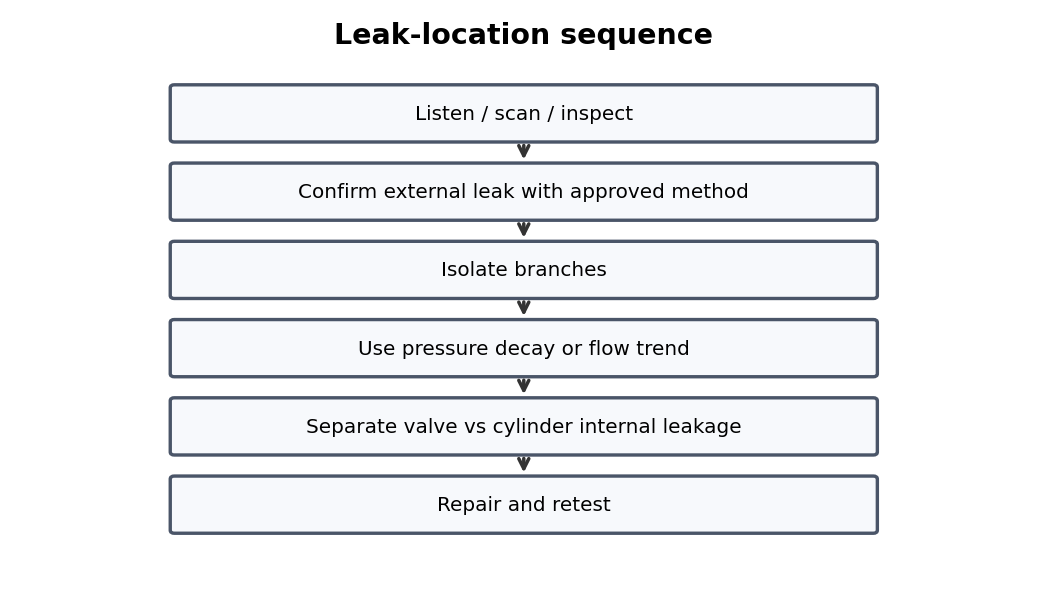
A structured leak audit should measure baseline leakage, repair the largest sources, and verify the improvement. Preventive pneumatic maintenance works best when it preserves known-good settings, removes leaks and contamination, and records baseline pressures and cycle times.
What to check
- Inspect for leaks, damaged tubing, loose mounts, and contamination.
- Check dynamic pressure and critical cycle times.
- Preserve documented flow-control and regulator settings.
- Record recurring failure locations and component changes.
Diagnostic sequence
- Inspect with machine in a controlled state.
- Measure before adjusting.
- Repair defects using correct rated parts.
- Recommission slowly and verify safety functions.
- Update maintenance records.
Common mistakes
Adjusting every valve during PM. • Replacing by appearance instead of specification. • Recording only “part replaced.”
FIELD RULE: Preventive maintenance should create better baseline data, not new unknown settings.
Critical Spares Record
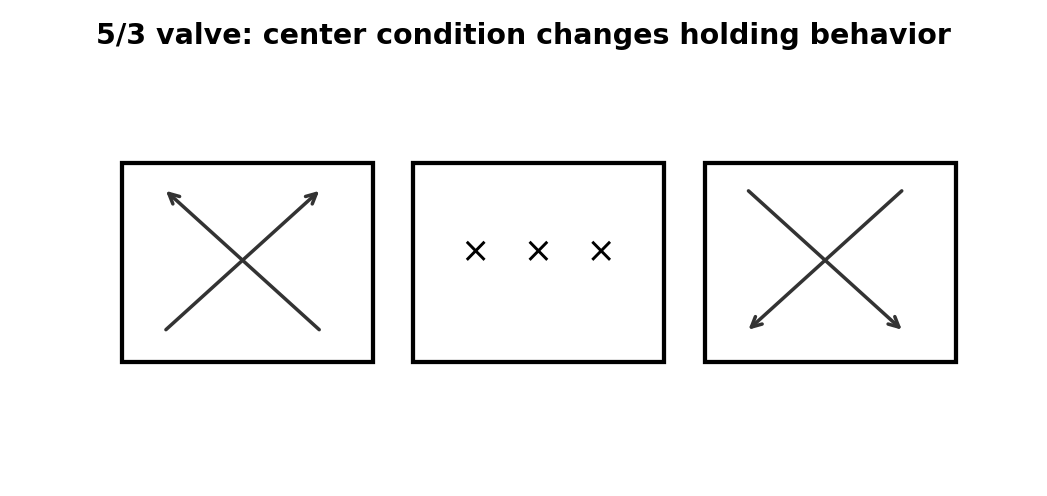
Valve function, center state, coil voltage, flow, pressure range, cylinder bore, stroke, mounts, and seal options belong in the spare record. Preventive pneumatic maintenance works best when it preserves known-good settings, removes leaks and contamination, and records baseline pressures and cycle times.
What to check
- Inspect for leaks, damaged tubing, loose mounts, and contamination.
- Check dynamic pressure and critical cycle times.
- Preserve documented flow-control and regulator settings.
- Record recurring failure locations and component changes.
Diagnostic sequence
- Inspect with machine in a controlled state.
- Measure before adjusting.
- Repair defects using correct rated parts.
- Recommission slowly and verify safety functions.
- Update maintenance records.
Common mistakes
Adjusting every valve during PM. • Replacing by appearance instead of specification. • Recording only “part replaced.”
FIELD RULE: Preventive maintenance should create better baseline data, not new unknown settings.
Breakdown Data Sheet
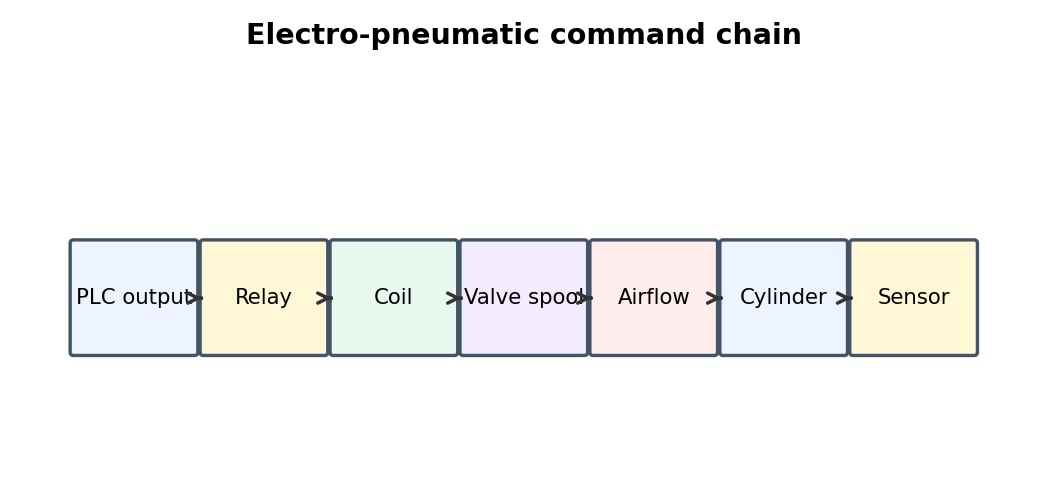
A useful breakdown record includes symptom, pressures, coil voltage, valve state, sensor state, recent work, root cause, and proof. Preventive pneumatic maintenance works best when it preserves known-good settings, removes leaks and contamination, and records baseline pressures and cycle times.
What to check
- Inspect for leaks, damaged tubing, loose mounts, and contamination.
- Check dynamic pressure and critical cycle times.
- Preserve documented flow-control and regulator settings.
- Record recurring failure locations and component changes.
Diagnostic sequence
- Inspect with machine in a controlled state.
- Measure before adjusting.
- Repair defects using correct rated parts.
- Recommission slowly and verify safety functions.
- Update maintenance records.
Common mistakes
Adjusting every valve during PM. • Replacing by appearance instead of specification. • Recording only “part replaced.”
FIELD RULE: Preventive maintenance should create better baseline data, not new unknown settings.
Recommissioning After Repair
A repaired circuit should be re-pressurized slowly, leak-checked, jogged, sensor-verified, and then tested in automatic mode. Preventive pneumatic maintenance works best when it preserves known-good settings, removes leaks and contamination, and records baseline pressures and cycle times.
What to check
- Inspect for leaks, damaged tubing, loose mounts, and contamination.
- Check dynamic pressure and critical cycle times.
- Preserve documented flow-control and regulator settings.
- Record recurring failure locations and component changes.
Diagnostic sequence
- Inspect with machine in a controlled state.
- Measure before adjusting.
- Repair defects using correct rated parts.
- Recommission slowly and verify safety functions.
- Update maintenance records.
Common mistakes
Adjusting every valve during PM. • Replacing by appearance instead of specification. • Recording only “part replaced.”
FIELD RULE: Preventive maintenance should create better baseline data, not new unknown settings.
Technician Pneumatic Toolkit
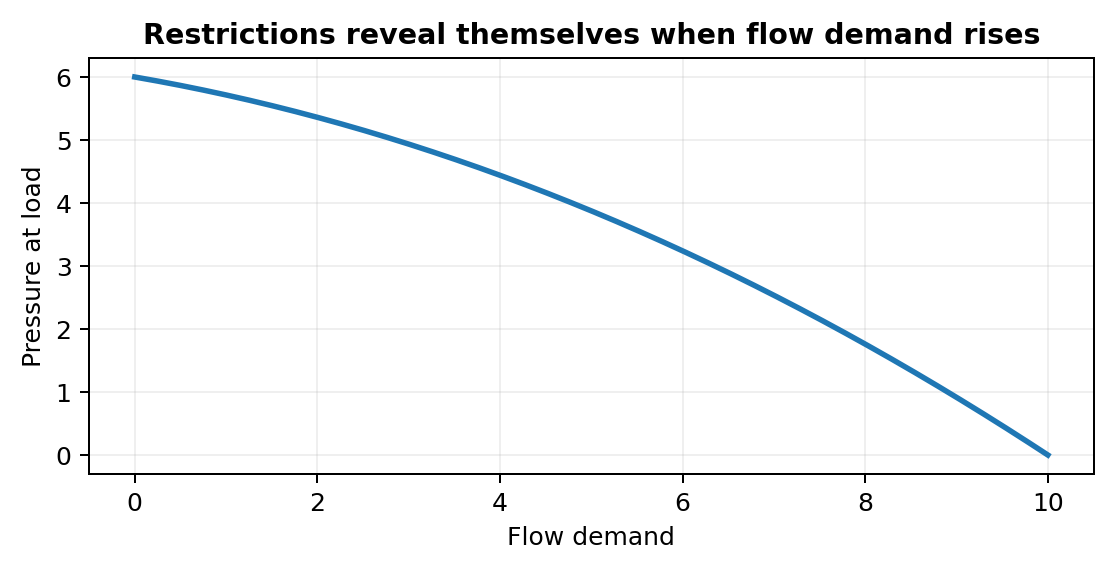
Pressure gauges, rated test hose, adapters, leak solution, tube cutter, multimeter, labels, and access to schematics make evidence-based troubleshooting faster. Preventive pneumatic maintenance works best when it preserves known-good settings, removes leaks and contamination, and records baseline pressures and cycle times.
What to check
- Inspect for leaks, damaged tubing, loose mounts, and contamination.
- Check dynamic pressure and critical cycle times.
- Preserve documented flow-control and regulator settings.
- Record recurring failure locations and component changes.
Diagnostic sequence
- Inspect with machine in a controlled state.
- Measure before adjusting.
- Repair defects using correct rated parts.
- Recommission slowly and verify safety functions.
- Update maintenance records.
Common mistakes
Adjusting every valve during PM. • Replacing by appearance instead of specification. • Recording only “part replaced.”
FIELD RULE: Preventive maintenance should create better baseline data, not new unknown settings.
Continue the series
- Previous chapter: Pneumatic Worked Troubleshooting Cases
- Browse all Pneumatic Troubleshooting chapters
Adapted from Pneumatic Troubleshooting for Maintenance Technicians, by Dovydas Kersys. © 2026 Dovydas Kersys. Featured cover image is an AI-generated editorial illustration.