By Dovydas Kersys · Chapter 11 of 12 in Pneumatic Troubleshooting.
Before you begin: The diagrams are simplified teaching illustrations. Verify the actual machine schematic and component documentation. Isolate and control stored energy before intrusive work, and use the approved machine procedure for any energized measurements. Compressed air must not be the sole support for a load where unexpected movement could cause injury.
Case 1 – Slow After Filter Service
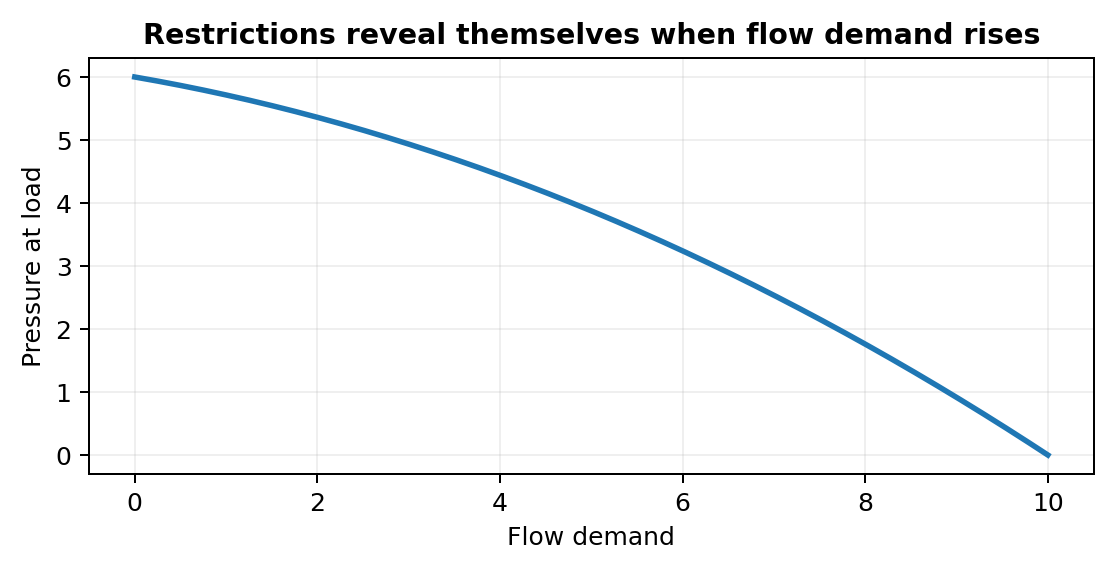
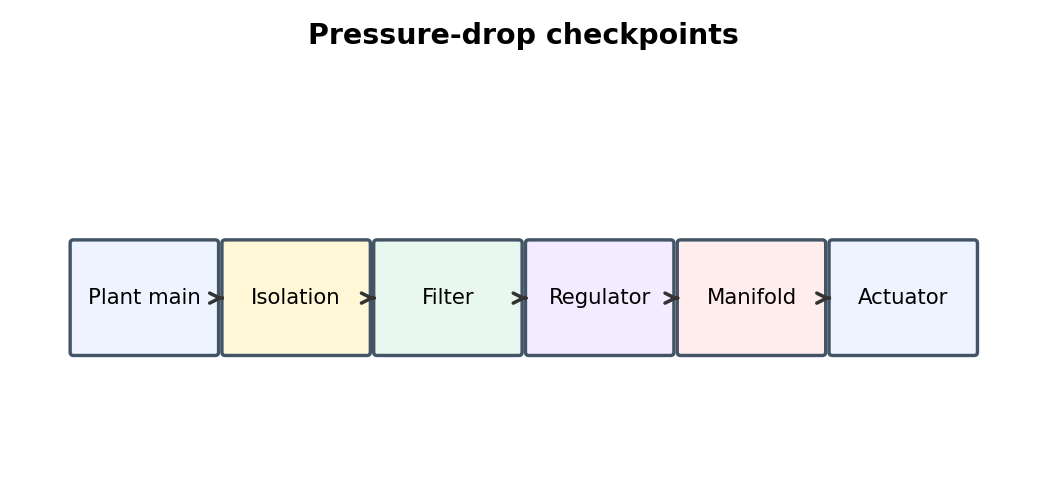
A packaging pusher became slow after filter service; dynamic testing showed the replacement element created excessive pressure drop. The purpose of this worked case is to show how a small number of measurements can identify the root cause without random component swapping.
What to check
- Record the symptom exactly.
- Identify the first measurement that separates upstream from downstream causes.
- Compare with a known-good state.
- Verify the repair through repeated cycles.
Diagnostic sequence
- Reproduce safely.
- Capture dynamic pressure/voltage.
- Move upstream or downstream based on the result.
- Correct only the proven cause.
- Retest under full production conditions.
Common mistakes
Assuming correlation is root cause. • Changing multiple parts at once. • Failing to document final values.
FIELD RULE: A case is solved only when the evidence explains why the repair worked.
Case 2 – Valve LED On, No Motion
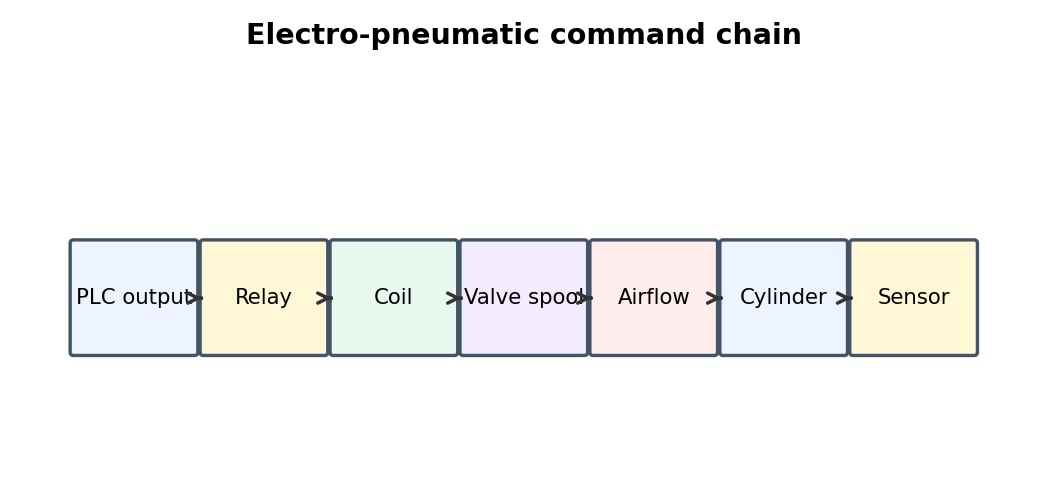
The connector LED was lit but a burned relay contact left only 9 V across the 24 V coil under load. The purpose of this worked case is to show how a small number of measurements can identify the root cause without random component swapping.
What to check
- Record the symptom exactly.
- Identify the first measurement that separates upstream from downstream causes.
- Compare with a known-good state.
- Verify the repair through repeated cycles.
Diagnostic sequence
- Reproduce safely.
- Capture dynamic pressure/voltage.
- Move upstream or downstream based on the result.
- Correct only the proven cause.
- Retest under full production conditions.
Common mistakes
Assuming correlation is root cause. • Changing multiple parts at once. • Failing to document final values.
FIELD RULE: A case is solved only when the evidence explains why the repair worked.
Case 3 – Extends but Will Not Retract
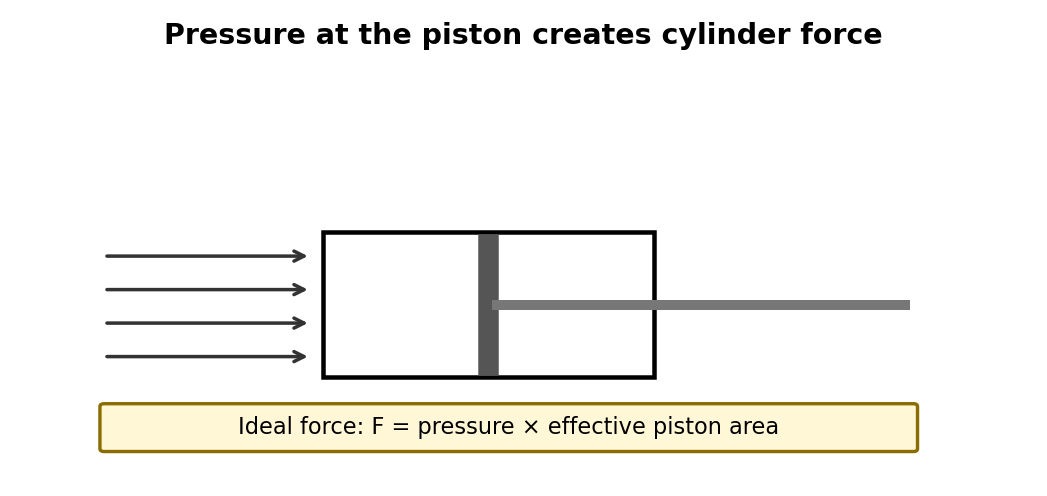
Retraction failed because a local regulator had been reduced and the rod-side area provided less force margin. The purpose of this worked case is to show how a small number of measurements can identify the root cause without random component swapping.
What to check
- Record the symptom exactly.
- Identify the first measurement that separates upstream from downstream causes.
- Compare with a known-good state.
- Verify the repair through repeated cycles.
Diagnostic sequence
- Reproduce safely.
- Capture dynamic pressure/voltage.
- Move upstream or downstream based on the result.
- Correct only the proven cause.
- Retest under full production conditions.
Common mistakes
Assuming correlation is root cause. • Changing multiple parts at once. • Failing to document final values.
FIELD RULE: A case is solved only when the evidence explains why the repair worked.
Case 4 – Random Fault After Washdown
Water in a valve connector caused intermittent coil voltage loss on the first cycle after washdown. The purpose of this worked case is to show how a small number of measurements can identify the root cause without random component swapping.
What to check
- Record the symptom exactly.
- Identify the first measurement that separates upstream from downstream causes.
- Compare with a known-good state.
- Verify the repair through repeated cycles.
Diagnostic sequence
- Reproduce safely.
- Capture dynamic pressure/voltage.
- Move upstream or downstream based on the result.
- Correct only the proven cause.
- Retest under full production conditions.
Common mistakes
Assuming correlation is root cause. • Changing multiple parts at once. • Failing to document final values.
FIELD RULE: A case is solved only when the evidence explains why the repair worked.
Case 5 – New Cylinder Leaks Again
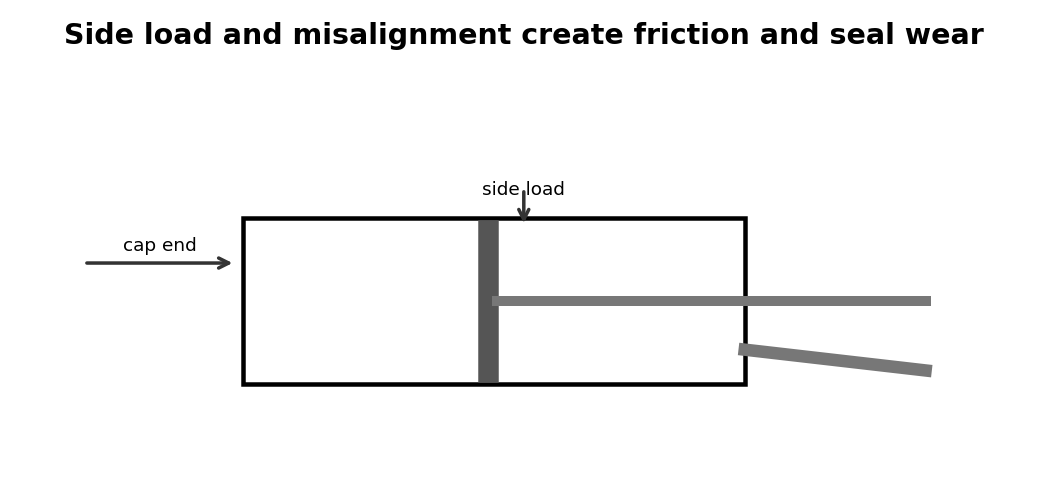
A replacement cylinder developed rod-seal leakage because a worn pivot continued to side-load the rod. The purpose of this worked case is to show how a small number of measurements can identify the root cause without random component swapping.
What to check
- Record the symptom exactly.
- Identify the first measurement that separates upstream from downstream causes.
- Compare with a known-good state.
- Verify the repair through repeated cycles.
Diagnostic sequence
- Reproduce safely.
- Capture dynamic pressure/voltage.
- Move upstream or downstream based on the result.
- Correct only the proven cause.
- Retest under full production conditions.
Common mistakes
Assuming correlation is root cause. • Changing multiple parts at once. • Failing to document final values.
FIELD RULE: A case is solved only when the evidence explains why the repair worked.
Case 6 – Several Valves Slow Together
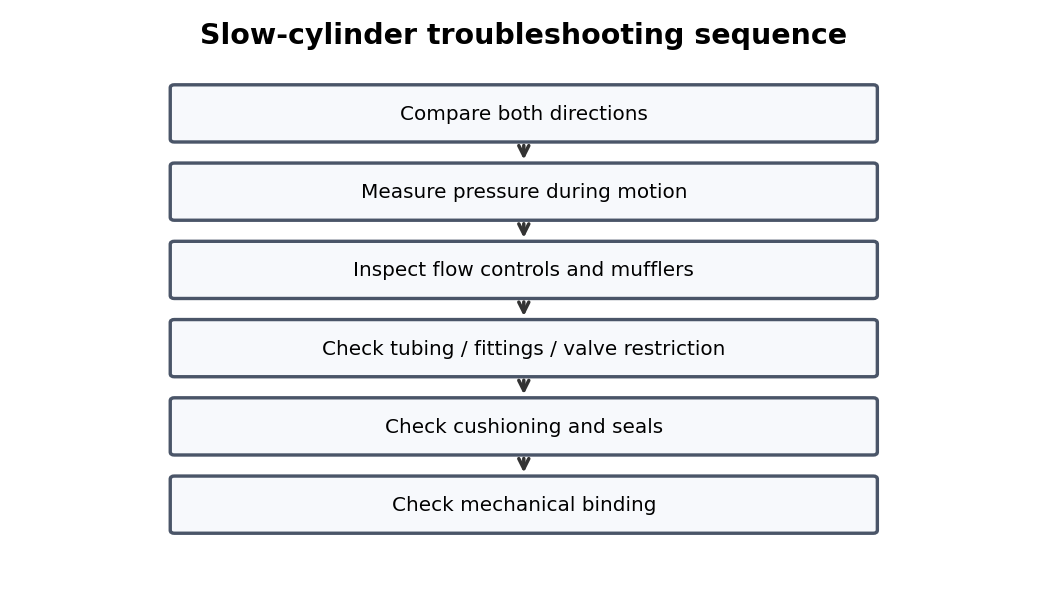
A shared exhaust muffler was saturated with oil and restricted multiple manifold stations. The purpose of this worked case is to show how a small number of measurements can identify the root cause without random component swapping.
What to check
- Record the symptom exactly.
- Identify the first measurement that separates upstream from downstream causes.
- Compare with a known-good state.
- Verify the repair through repeated cycles.
Diagnostic sequence
- Reproduce safely.
- Capture dynamic pressure/voltage.
- Move upstream or downstream based on the result.
- Correct only the proven cause.
- Retest under full production conditions.
Common mistakes
Assuming correlation is root cause. • Changing multiple parts at once. • Failing to document final values.
FIELD RULE: A case is solved only when the evidence explains why the repair worked.
Case 7 – Vacuum Pick Fails on New Product
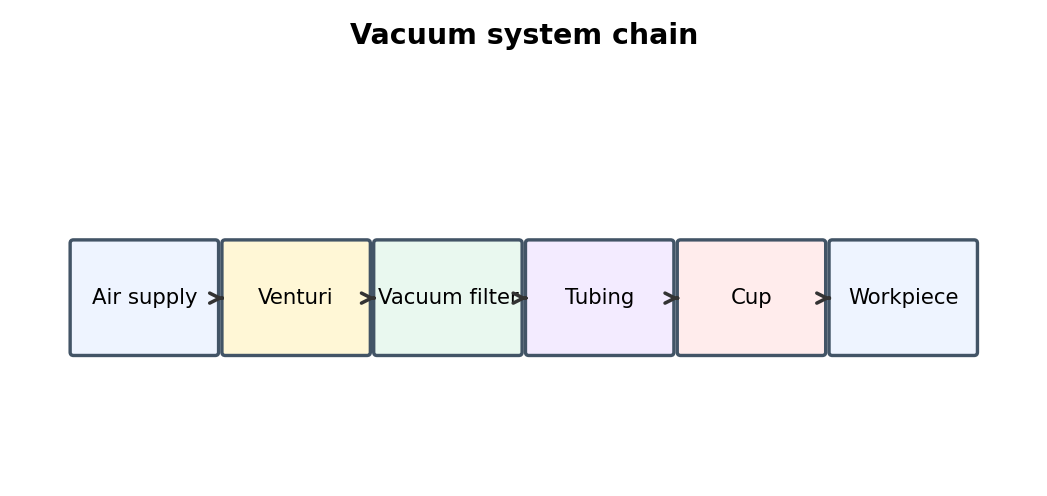
The generator was healthy but the new textured product leaked at the cup lip. The purpose of this worked case is to show how a small number of measurements can identify the root cause without random component swapping.
What to check
- Record the symptom exactly.
- Identify the first measurement that separates upstream from downstream causes.
- Compare with a known-good state.
- Verify the repair through repeated cycles.
Diagnostic sequence
- Reproduce safely.
- Capture dynamic pressure/voltage.
- Move upstream or downstream based on the result.
- Correct only the proven cause.
- Retest under full production conditions.
Common mistakes
Assuming correlation is root cause. • Changing multiple parts at once. • Failing to document final values.
FIELD RULE: A case is solved only when the evidence explains why the repair worked.
Case 8 – Low Air After Safety Reset
Plant pressure was normal but the soft-start/dump valve never received its enable pilot. The purpose of this worked case is to show how a small number of measurements can identify the root cause without random component swapping.
What to check
- Record the symptom exactly.
- Identify the first measurement that separates upstream from downstream causes.
- Compare with a known-good state.
- Verify the repair through repeated cycles.
Diagnostic sequence
- Reproduce safely.
- Capture dynamic pressure/voltage.
- Move upstream or downstream based on the result.
- Correct only the proven cause.
- Retest under full production conditions.
Common mistakes
Assuming correlation is root cause. • Changing multiple parts at once. • Failing to document final values.
FIELD RULE: A case is solved only when the evidence explains why the repair worked.
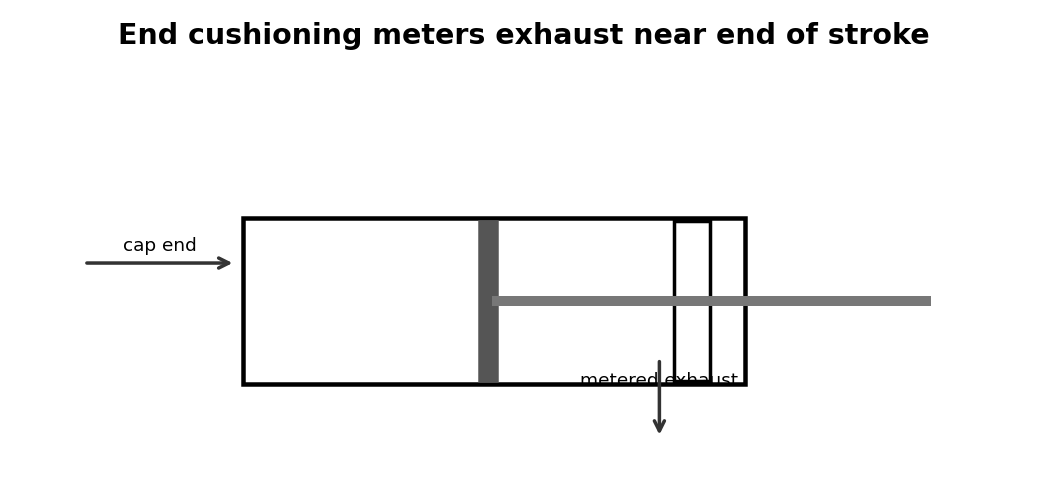
Case 9 – Cylinder Slams at Full Rate
Setup speed masked poor end cushioning that became destructive at normal production rate. The purpose of this worked case is to show how a small number of measurements can identify the root cause without random component swapping.
What to check
- Record the symptom exactly.
- Identify the first measurement that separates upstream from downstream causes.
- Compare with a known-good state.
- Verify the repair through repeated cycles.
Diagnostic sequence
- Reproduce safely.
- Capture dynamic pressure/voltage.
- Move upstream or downstream based on the result.
- Correct only the proven cause.
- Retest under full production conditions.
Common mistakes
Assuming correlation is root cause. • Changing multiple parts at once. • Failing to document final values.
FIELD RULE: A case is solved only when the evidence explains why the repair worked.
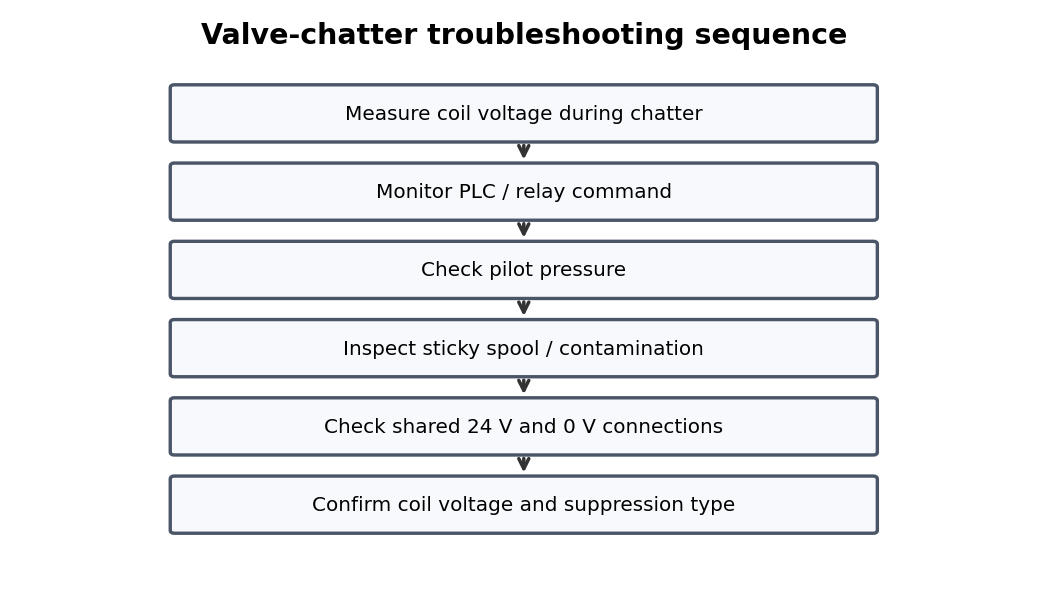
Case 10 – Two Replacement Valves Chatter
A loose common 0 V terminal caused coil voltage to collapse whenever several outputs energized. The purpose of this worked case is to show how a small number of measurements can identify the root cause without random component swapping.
What to check
- Record the symptom exactly.
- Identify the first measurement that separates upstream from downstream causes.
- Compare with a known-good state.
- Verify the repair through repeated cycles.
Diagnostic sequence
- Reproduce safely.
- Capture dynamic pressure/voltage.
- Move upstream or downstream based on the result.
- Correct only the proven cause.
- Retest under full production conditions.
Common mistakes
Assuming correlation is root cause. • Changing multiple parts at once. • Failing to document final values.
FIELD RULE: A case is solved only when the evidence explains why the repair worked.
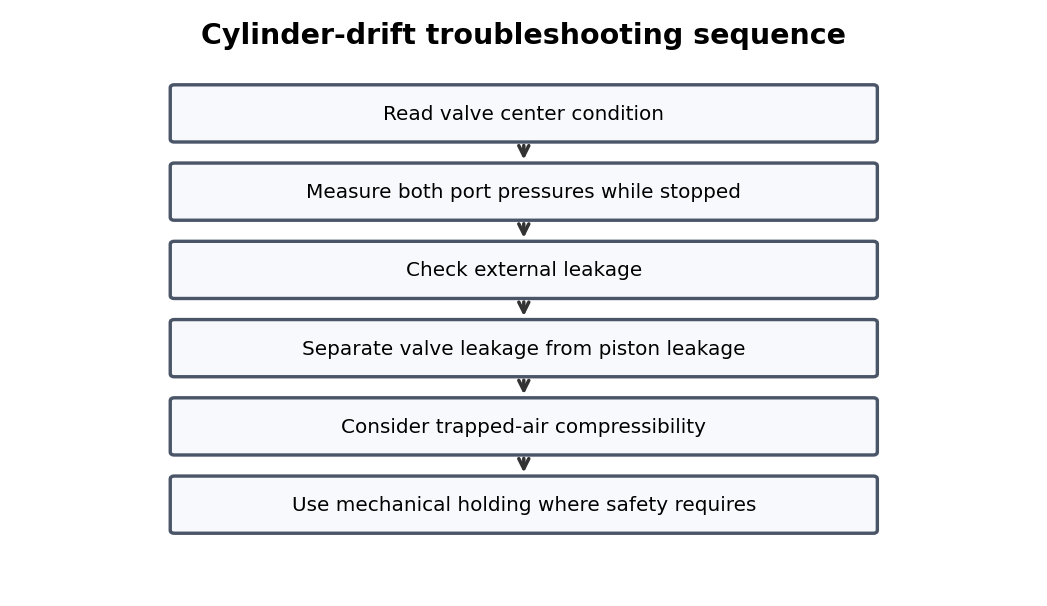
Case 11 – Vertical Slide Drifts Overnight
Air leakage and compressibility showed the circuit was not a rigid or safety-rated holding method. The purpose of this worked case is to show how a small number of measurements can identify the root cause without random component swapping.
What to check
- Record the symptom exactly.
- Identify the first measurement that separates upstream from downstream causes.
- Compare with a known-good state.
- Verify the repair through repeated cycles.
Diagnostic sequence
- Reproduce safely.
- Capture dynamic pressure/voltage.
- Move upstream or downstream based on the result.
- Correct only the proven cause.
- Retest under full production conditions.
Common mistakes
Assuming correlation is root cause. • Changing multiple parts at once. • Failing to document final values.
FIELD RULE: A case is solved only when the evidence explains why the repair worked.
Case 12 – Slow After Tubing Repair
Smaller-ID replacement tubing and a restrictive elbow delayed pressure buildup at the gripper. The purpose of this worked case is to show how a small number of measurements can identify the root cause without random component swapping.
What to check
- Record the symptom exactly.
- Identify the first measurement that separates upstream from downstream causes.
- Compare with a known-good state.
- Verify the repair through repeated cycles.
Diagnostic sequence
- Reproduce safely.
- Capture dynamic pressure/voltage.
- Move upstream or downstream based on the result.
- Correct only the proven cause.
- Retest under full production conditions.
Common mistakes
Assuming correlation is root cause. • Changing multiple parts at once. • Failing to document final values.
FIELD RULE: A case is solved only when the evidence explains why the repair worked.
Continue the series
- Previous chapter: Vacuum Pneumatics
- Next chapter: Pneumatic Preventive Maintenance
- Browse all Pneumatic Troubleshooting chapters
Adapted from Pneumatic Troubleshooting for Maintenance Technicians, by Dovydas Kersys. © 2026 Dovydas Kersys. Featured cover image is an AI-generated editorial illustration.